The Complete Guide to Home Insulation
Proper insulation is one of the most effective ways to improve your home's comfort and reduce energy costs. In Tennessee's climate, with hot summers and cool winters, the right insulation can make a significant difference in your monthly utility bills.
Understanding R-Value
R-value measures insulation's resistance to heat flow. The higher the R-value, the better the insulation performance.
#
Recommended R-Values for Tennessee (Climate Zone 4)
Location Recommended R-Value
-----------------------------
Attic R-38 to R-60
Walls R-13 to R-21
Floors R-25 to R-30
Crawl Space R-19 to R-25
Basement Walls R-11 to R-15
Types of Insulation
#
1. Fiberglass Batts
The most common and affordable option.
Pros:
- Low cost ($0.50 - $1.50 per sq ft)
- DIY-friendly installation
- Non-combustible
- Doesn't absorb moisture
Cons:
- Can leave gaps if not installed properly
- Loses effectiveness when compressed
- Requires protective equipment during installation
Best for: Attics, walls, and floors with standard spacing
#
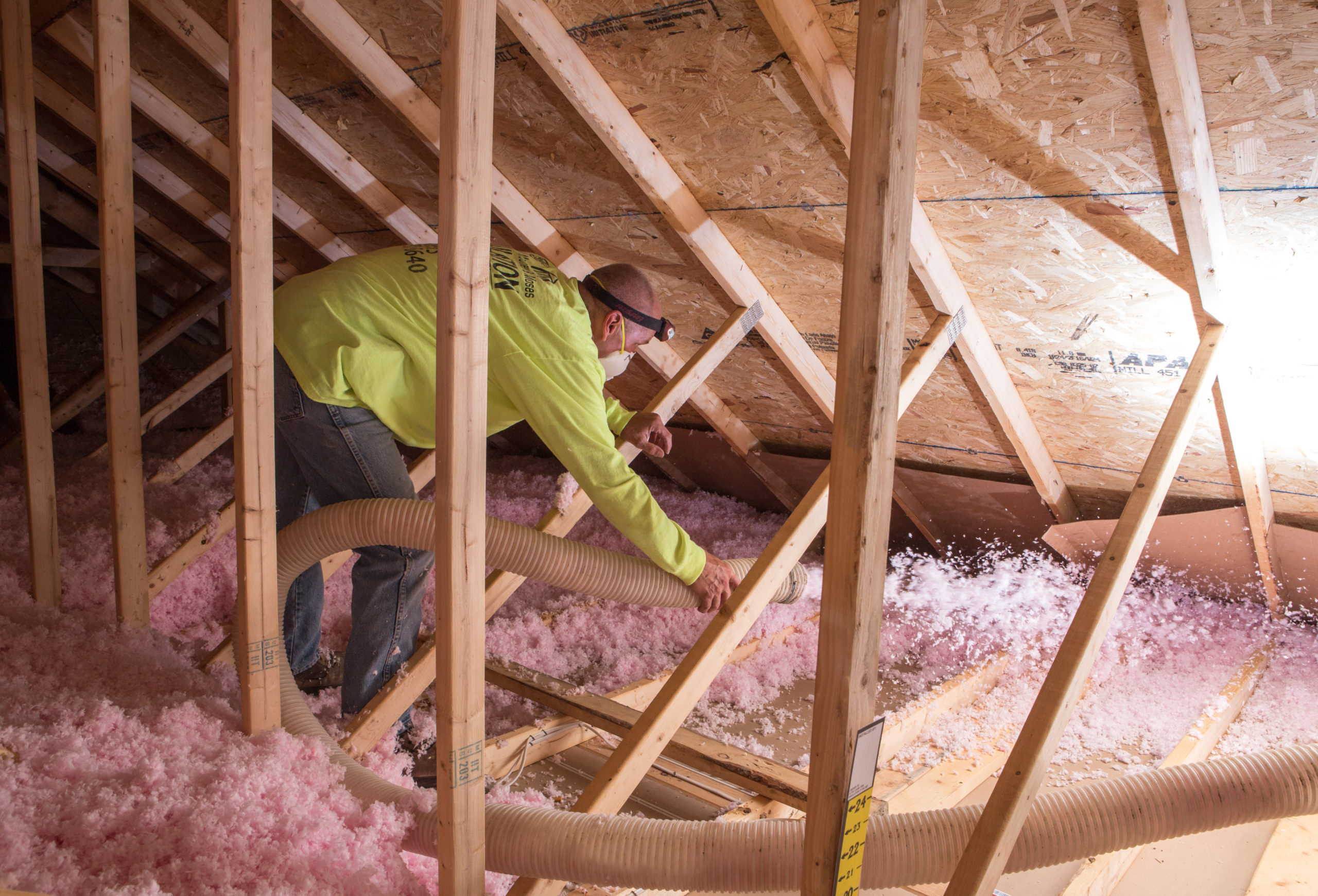
2. Blown-In Cellulose
Made from recycled paper products.
Pros:
- Excellent coverage, fills gaps well
- Eco-friendly (recycled content)
- Good sound dampening
- Cost-effective ($1.00 - $2.00 per sq ft)
Cons:
- Can settle over time
- Absorbs moisture if not properly installed
- Requires professional equipment
Best for: Attics and retrofitting existing walls
#
3. Spray Foam Insulation
Premium option with superior performance.
Open-Cell Spray Foam:
- R-value: 3.5-3.7 per inch
- Cost: $1.00 - $1.50 per sq ft
- Best for interior walls and soundproofing
Closed-Cell Spray Foam:
- R-value: 6.0-7.0 per inch
- Cost: $1.50 - $3.00 per sq ft
- Best for exterior walls, crawl spaces, and moisture barriers
Pros:
- Highest R-value per inch
- Creates air seal
- Adds structural strength (closed-cell)
- Moisture resistant
Cons:
- Highest cost
- Requires professional installation
- Can off-gas during installation
#
4. Rigid Foam Board
Solid panels of insulation.
Types:
- EPS (Expanded Polystyrene): R-3.8 per inch
- XPS (Extruded Polystyrene): R-5 per inch
- Polyiso: R-6.5 per inch
Pros:
- High R-value per inch
- Moisture resistant
- Can be used in many applications
Cons:
- More expensive than batts
- Requires careful sealing at joints
- Not flexible
Best for: Basement walls, exterior sheathing, and cathedral ceilings
Signs You Need Better Insulation
Watch for these warning signs:
1. High energy bills - Especially compared to similar homes
2. Uneven temperatures - Hot/cold spots throughout the house
3. Drafts - Feeling air movement near walls or windows
4. Ice dams - Ice buildup on roof edges in winter
5. Frozen pipes - Pipes freezing in exterior walls
6. HVAC running constantly - System struggles to maintain temperature
7. Moisture problems - Condensation on windows or walls
Where to Insulate First
Priority order for maximum impact:
#
1. Attic (Highest Priority)
- Heat rises, making attic insulation crucial
- Often the easiest and most cost-effective upgrade
- Can reduce cooling costs by 10-15%
#
2. Air Sealing
- Seal gaps around pipes, wires, and ducts
- Caulk around windows and doors
- Often done alongside insulation upgrades
#
3. Crawl Space/Basement
- Prevents cold floors in winter
- Reduces moisture problems
- Improves overall home comfort
#
4. Exterior Walls
- Most expensive to retrofit
- Best done during renovation or re-siding
- Significant impact on comfort and efficiency
Cost and ROI
#
Typical Insulation Costs
Project Average Cost Annual Savings
--------------------------------------
Attic Insulation (1,000 sq ft) $1,500 - $3,000 $200 - $400
Crawl Space (1,000 sq ft) $2,000 - $4,000 $150 - $300
Wall Insulation (retrofit) $4,000 - $8,000 $300 - $500
Whole Home Spray Foam $8,000 - $15,000 $500 - $800 |
#
Return on Investment
Most insulation projects pay for themselves within 3-7 years through energy savings. Additional benefits include:
- Increased home value
- Improved comfort
- Reduced HVAC wear
- Better indoor air quality
- Noise reduction
Tennessee-Specific Considerations
#
Climate Challenges
- Hot, humid summers - Insulation reduces cooling costs
- Mild but variable winters - Prevents heat loss during cold snaps
- High humidity - Vapor barriers may be needed in some applications
#
Utility Rebates
Check with your local utility company for insulation rebates:
- TVA EnergyRight program
- Local power company incentives
- Federal tax credits for energy efficiency
DIY vs. Professional Installation
#
DIY-Friendly Projects
- Adding batts to accessible attics
- Installing rigid foam in basements
- Air sealing with caulk and weatherstripping
#
Hire a Professional For
- Blown-in insulation
- Spray foam application
- Wall cavity insulation
- Crawl space encapsulation
- Any project requiring permits
Getting Started
1. Energy audit - Many utilities offer free or low-cost audits
2. Prioritize - Start with the highest-impact areas
3. Get quotes - Compare at least 3 contractors
4. Check credentials - Verify licensing and insurance
5. Ask about warranties - Both material and workmanship
The Bottom Line
Investing in proper insulation is one of the smartest home improvements you can make. It pays dividends every month through lower energy bills while improving your home's comfort year-round. Whether you tackle a DIY project or hire a professional, better insulation is an investment that keeps on giving.
Ready to improve your home's insulation? Connect with a local insulation specialist for a free assessment.